Sarvavidya Dance Ensemble’s Bhūmi strikes fear – of the catalytic kind – into its audience’s hearts
...
For me, a dining room table should be tidy, pretty – and free to, oh, I don’t know, dine at. Judging by the cable ties, socks, shopping bag and inhaler on our dining table, my husband seems to think otherwise.
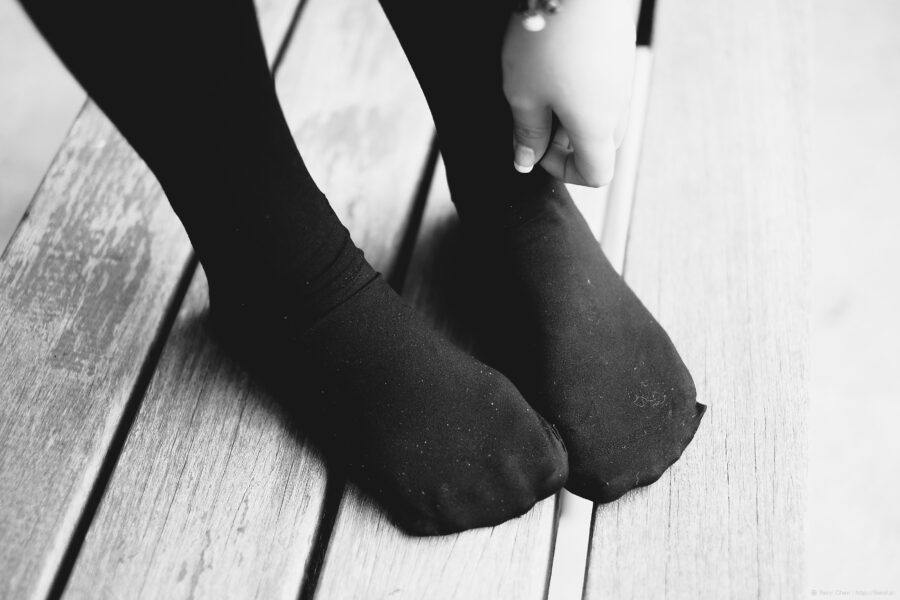
A full copyedit (or subedit, as it’s sometimes called) involves referring to a style sheet and methodically and thoroughly reviewing a text. While spelling and grammar errors are fixed (the cable ties don’t belong on the table but rather in the tool drawer), the editor also looks at the ‘bigger picture’ (the text’s overall tone and message) and fixes inconsistencies. Sometimes this means adjusting the diction and word (or even sentence) order.
The socks (‘He was a sad boy’) are replaced with flowers (‘He was a melancholic figure’). The coasters are rearranged to balance the table’s feng shui (i.e. replace the passive voice with the active one in an energetic scene to keep the pace and mood on-point).
In other words, the editor makes sure the dining room table is easy to view and enjoy.
If the author intended for cable ties to be on the table (because it fit their vision), then the copyeditor works with them to understand how to realise that vision, without making the text (unnecessarily!) hard to read.
Now, imagine the cable ties, inhaler and shopping bag are meant to be there. It’s the author’s vision and it reads well. A proofreader will move the socks from the tabletop to the laundry because they know it’s the one thing out of place.
Proofreaders do a final check on simple things like spelling, grammar and punctuation errors. They’ll also look for glaring inconsistencies in style or visual blindspots, like the chapter heading (‘SOCKS AND THEIR SPACES’) being in caps when, so far, the book’s chapters have all been in title case (‘Socks and Their Spaces’).
This sort of scan-and-sanction edit is the final defence in a text and is there to make sure the copy has been scrutinised and stamped for approval.
Need help with stinky socks that have snuck into your text? Contact us now.